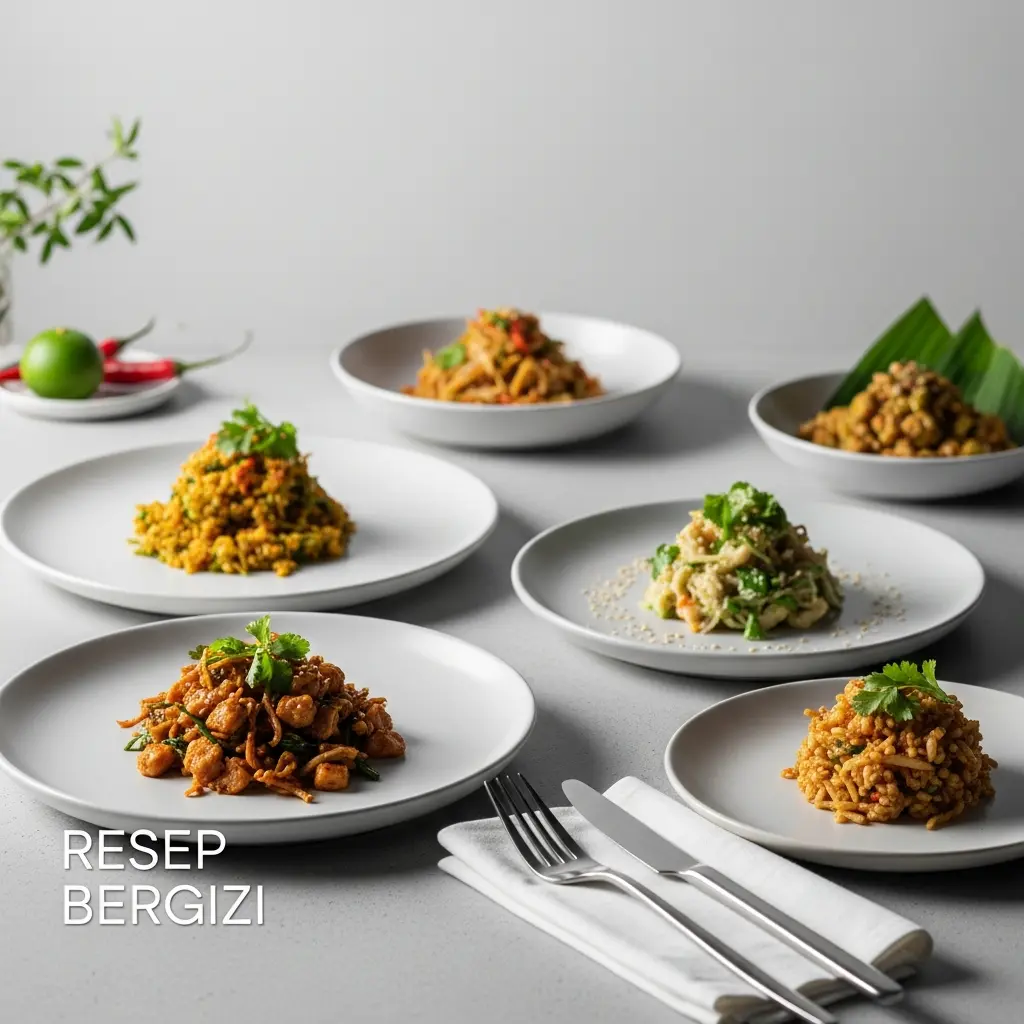
In an era dominated by fast food and processed snacks, the shift toward nutritious cooking has become more than just a trend—it is a fundamental necessity for holistic well-being. Nutritious recipes are not merely about restriction or counting calories; they are about maximizing the density of vitamins, minerals, and antioxidants in every bite. By focusing on whole foods and mindful preparation, you can transform your kitchen into a sanctuary of health that supports mental clarity, sustained energy levels, and long-term disease prevention.
The philosophy of a healthy plate begins with the quality of ingredients. Choosing seasonal produce, lean proteins, and complex carbohydrates ensures that your body receives the essential building blocks it needs to function optimally. As we delve deeper into the art of wholesome cooking, it becomes clear that flavor and nutrition are not mutually exclusive. With the right techniques and a touch of culinary creativity, anyone can master the art of preparing meals that are as delicious as they are beneficial.
The Essential Pillars of a Balanced and Nutritious Plate
To create a truly nutritious recipe, one must understand the synergy between macronutrients and micronutrients. A balanced meal typically consists of high-quality protein, such as wild-caught fish, legumes, or organic poultry, which is vital for muscle repair and immune function. Accompanying these proteins should be a generous portion of fiber-rich vegetables. Incorporating a variety of colors—ranging from deep leafy greens to vibrant orange bell peppers—ensures a broad spectrum of phytonutrients that protect the body against oxidative stress.
Healthy fats also play a critical role in nutrient absorption. Ingredients like avocados, extra virgin olive oil, and raw seeds provide the essential fatty acids necessary for brain health and hormone production. Finally, swapping refined grains for complex carbohydrates like quinoa, sweet potatoes, or farro provides a steady release of glucose into the bloodstream, preventing the energy crashes often associated with high-sugar diets. By balancing these pillars, you create a foundation for recipes that nourish the body from the inside out.
Top Nutrient-Dense Recipes for Daily Sustenance
Implementing nutritious habits starts with simple, repeatable recipes that fit into a modern lifestyle. For breakfast, consider a Mediterranean-inspired bowl featuring poached eggs, sautéed kale, and roasted tomatoes over a bed of quinoa. This combination offers a perfect balance of protein and fiber to kickstart your metabolism. For lunch, a vibrant “rainbow salad” with chickpeas, shredded carrots, purple cabbage, and a lemon-tahini dressing provides an abundance of enzymes and minerals that enhance digestive health.
Dinner presents an opportunity to focus on anti-inflammatory ingredients. A baked salmon fillet seasoned with turmeric and ginger, served alongside steamed broccoli and wild rice, is an excellent example of a meal rich in Omega-3 fatty acids and antioxidants. Even snacks can be optimized; instead of reaching for packaged crackers, opt for sliced cucumbers with hummus or a small handful of walnuts. These small adjustments in your daily recipe repertoire can lead to significant improvements in your overall vitality and physical performance.
Strategies for Sustainable Healthy Eating and Meal Preparation
Consistency is the most important factor in maintaining a nutritious diet. One of the most effective strategies to ensure you stay on track is “meal prepping” or intentional cooking. By dedicating a few hours each week to washing, chopping, and batch-cooking essential components like grains and roasted vegetables, you significantly reduce the temptation to order unhealthy takeout during busy workdays. Planning your menu in advance also allows you to source better quality ingredients and reduce food waste, making your healthy lifestyle both economical and eco-friendly.
Furthermore, mastering cooking methods such as steaming, poaching, and roasting is superior to deep-frying, as these techniques preserve the integrity of the nutrients. Using herbs and spices like garlic, cinnamon, and rosemary not only elevates the flavor profile of your dishes but also adds medicinal properties without the need for excessive salt or sugar. Ultimately, the journey toward a healthier life through nutritious recipes is a rewarding process of discovery. It empowers you to take control of your health, one plate at a time, ensuring a future filled with energy and resilience.
Optimizing Nutrient Bioavailability: The Science of Preparation
As we delve deeper into the mechanics of healthy eating, it is crucial to understand that nutrition is not just about what you eat, but how your body absorbs those nutrients—a concept known as bioavailability. For instance, while raw vegetables are often lauded for their high enzyme content, certain nutrients like lycopene in tomatoes and beta-carotene in carrots are actually more accessible to the body when the vegetables are lightly cooked or steamed. This thermal processing breaks down tough plant cell walls, allowing the digestive system to extract more antioxidants. Therefore, a truly nutritious recipe balances raw fiber with scientifically-backed cooking methods to maximize the metabolic “return on investment” of every meal.
Furthermore, the inclusion of healthy fats is a non-negotiable technical detail for nutrient absorption. Fat-soluble vitamins—namely A, D, E, and K—require a lipid medium to be transported across the intestinal wall. Integrating avocados, cold-pressed olive oil, or fatty fish into your recipes ensures that the micronutrients in your leafy greens are not simply passing through your system. Modern culinary science suggests that even a small amount of high-quality fat can increase the absorption of carotenoids by up to several hundred percent, making the “dressing” as important as the salad itself.
The Gut-Brain Axis: Designing Recipes for Cognitive Resilience
The contemporary understanding of nutrition has expanded beyond physical aesthetics to include the gut-brain axis. High-fiber recipes serve as a primary fuel source for the gut microbiome, the complex ecosystem of bacteria that regulates everything from immune response to serotonin production. By incorporating prebiotic-rich ingredients like leeks, garlic, and chicory root, you are essentially cultivating a internal environment that supports mental clarity and emotional stability. Research in nutritional psychiatry indicates that diets high in refined sugars and processed fats can trigger systemic inflammation, whereas a recipe-base rich in fermented foods and diverse plant fibers acts as a preventative measure against cognitive decline.
To achieve this, professional nutritionists recommend the “diversity score” approach—aiming for 30 different plant-based ingredients per week. This isn’t just about variety; it’s about providing different types of polyphenols and fibers that cater to various bacterial strains in the gut. A recipe that combines fermented elements, such as miso or kimchi, with complex starches like sweet potatoes, creates a symbiotic effect that enhances metabolic health and reduces the risk of chronic inflammation, which is the precursor to most modern lifestyle diseases.
Evidence-Based Longevity: Insights from Blue Zone Culinary Frameworks
Global case studies, particularly those focusing on “Blue Zones”—regions where people statistically live the longest—reveal a consistent pattern in recipe architecture. These populations prioritize legumes, such as lentils and chickpeas, as their primary protein source over processed meats. Legumes are unique because they provide a “second-meal effect,” where the slow-digesting fiber stabilizes blood sugar levels not just for the current meal, but for several hours afterward. This prevents insulin spikes, which are key drivers of cellular aging and metabolic syndrome.
Moreover, the strategic use of herbs and spices is a hallmark of longevity-focused cooking. Beyond flavor, spices like turmeric (containing curcumin) and ginger possess potent anti-inflammatory properties that mimic the effects of certain pharmaceuticals without the side effects. A technical tip for maximizing these benefits involves the “black pepper synergy”; the piperine in black pepper increases the bioavailability of curcumin by 2,000%. By layering these technical nuances into daily recipes, cooking evolves from a chore into a form of “culinary medicine,” empowering individuals to manage their health outcomes through the very food they consume.
Ultimately, the transition toward a nutrient-dense lifestyle requires a shift from a “restriction mindset” to an “abundance mindset.” It is about adding more colors, more textures, and more scientifically-proven pairings to your plate. By mastering these technical aspects of food preparation and understanding the biochemical impact of your ingredients, you create a sustainable foundation for vitality that lasts a lifetime. The kitchen, therefore, becomes the ultimate laboratory for longevity, where every recipe serves as a blueprint for a healthier, more vibrant version of yourself.